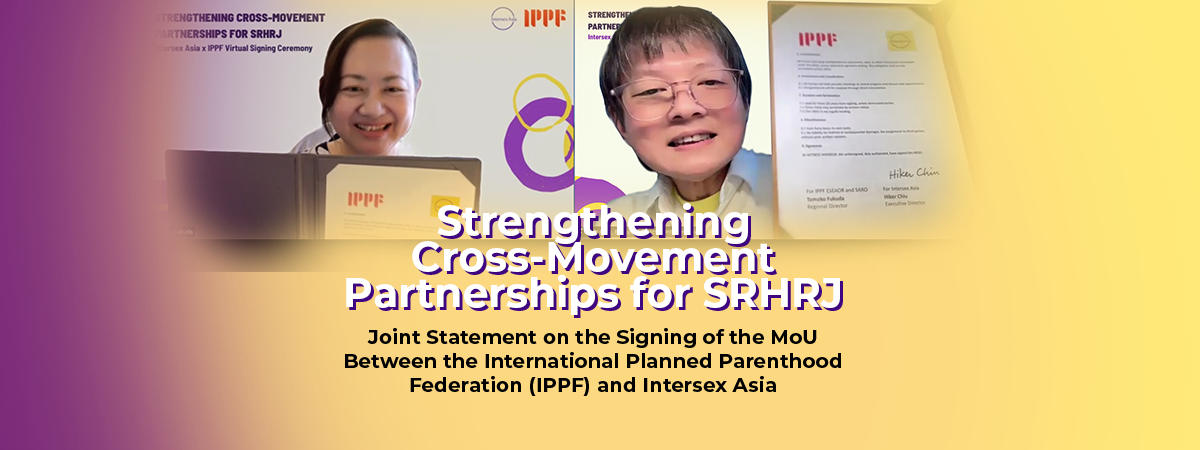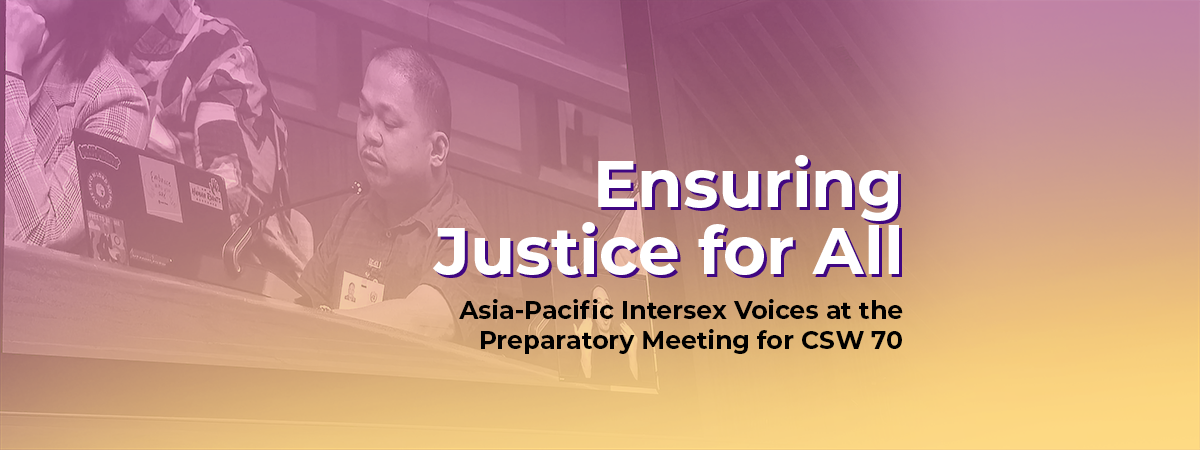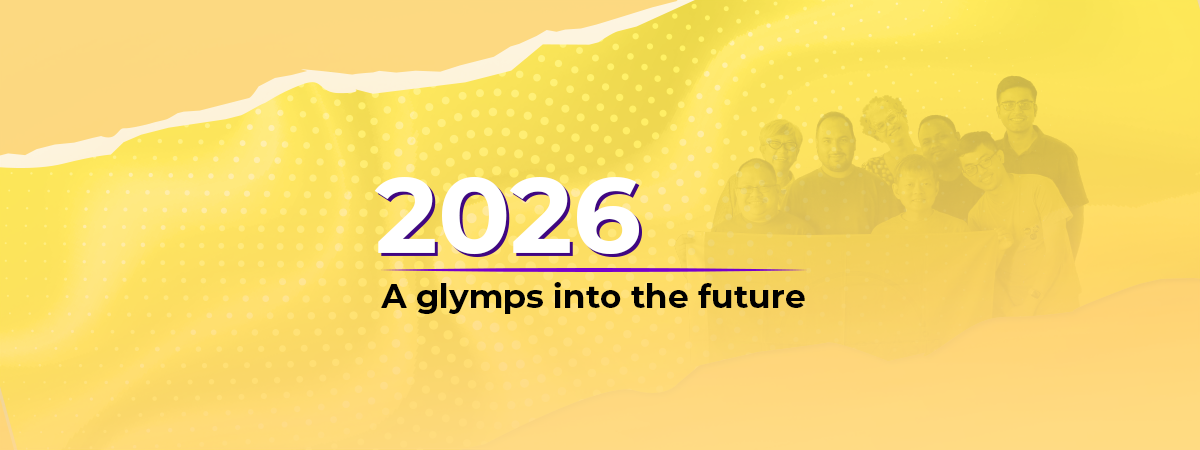

2026 is here, another year, a new start with both challenges and opportunities. This marks the 8 years since Intersex Asia was founded. A long journey, yet we all feel it’s just the beginning. In the past 8 years, our team has constantly building a strong community of intersex activists and allies in different countries across Asia. All those efforts bore fruit last year at the 3rd Asia Intersex Forum, which gathered the most intersex activists ever, and the 1st ever Asian Summit on Intersex Health, united doctors and medical experts in the region to chalk out the blueprint for future intersex-related health intervention.
Now, the question is, what’s next?
To kick off the new year, we sat down with every member of our team to hear their reflection, thoughts, and plans. How far are we on our path, and what will need to be done?
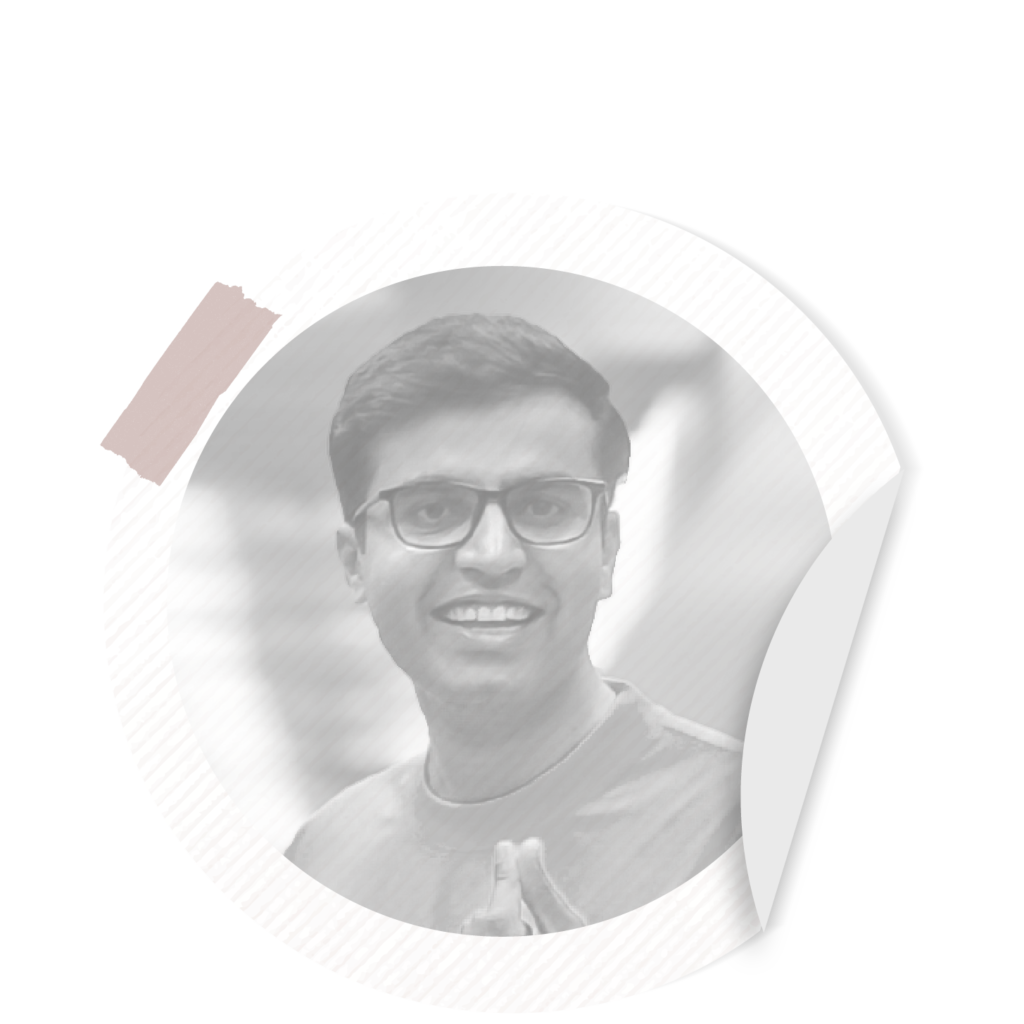
Prashant Singh – Research and Advocacy Officer
1- How do you think about the current movement and data so far and what Intersex Asia has done in terms of your area (research)?
Over the past few years, the intersex movement in Asia has made significant progress in establishing an evidence base that can inform advocacy and policy engagement in a meaningful way. In the past years, we completed and published 12 country research reports on human rights-based analysis of intersex realities across diverse Asian contexts. In addition, two major thematic research projects are nearing publication. One focuses on the inclusion of intersex people in Civil Registration and Vital Statistics (CRVS) systems, examining how the absence of sex characteristics data undermines access to rights, services, and policy visibility. The second examines economic inequality and poverty faced by intersex communities, particularly in the Global South. These reports could strengthen community-led advocacy and enable more informed engagement with national governments and UN mechanisms.
2-What’s the gap and what’s next in your plan for 2026?
While we’ve made good strides in recording legal recognition and the hurdles intersex people face, there’s still a lot we need to learn about their daily lives, especially concerning health and bodily autonomy. In 2026, our strategic focus will shift toward sexual and reproductive health and rights (SRHR) and intersex healthcare systems, including access to ethical, non-pathologizing medical care and informed consent. We’ll be working closely with doctors, policymakers, and regional organizations. This teamwork will help us turn our research into real-world advocacy plans that will lead to better healthcare standards, more accountability, and better long-term well-being for intersex people all across Asia.

Andrey – Communication Officer
1- How’s the intersex movement doing in term of communication?
Compared to other LGBTQ movements, the Intersex movement is much younger and much less visible. This is, of course, partially due to the lack of awareness, but also comes from the very unique characteristic of the movement itself. The topic of bodily autonomy and integrity can be quite complex to many people, including medical and rights matters. The situation got even more complicated, where in many cases, intersex trauma happens at a very young age, which leaves a major impact on their lives, further preventing them from stepping out and talking about their issues. And because you can’t help someone you don’t see, it’s always been a fight for invisibility. Even in the broader LGBTQI spectrum, the little “I” often gets neglected, forgotten, and even misunderstood with other groups, such as transgender individuals. So, in terms of communication, we don’t just build awareness for the general public, but also for the intersex community itself.
2- What role does communication play in the bigger scale of Intersex Asia’s advocacy, moving forward?
Awareness-raising is still key to Intersex Asia’s communication. Starting from late 2025, we’re gradually shifting from merely supplying information to featuring different aspects of intersex life. This approach aims to create a more friendly image of intersex people and the movement, instead of technical or medical terms. Moving forward, Intersex Asia will continue to invest in awareness raising, to build acceptance and public interest through emotional products, support collaboration with other movement, and further promote the value and unique proposition of the intersex movement.
Selvan Anthony – Program Manager
1- In your opinion, what key programs are needed in the intersex movement, how are they being carried on, and what is Intersex Asia’s role in those?
The intersex movement’s aim is always about advocating for the rights and dignity of intersex individuals, which can be achieved gradually through 5 key pillars that we’ve been implementing. First, education is essential for raising awareness and reducing stigma. Second, health advocacy ensures informed healthcare and bodily autonomy. Third, legal support promotes policy change and anti-discrimination laws. Fourth, psychosocial support provides resources for mental well-being. Finally, research is crucial for gathering data to inform advocacy efforts. All 5 pillars are critical, and as a regional organization, Intersex Asia see ourselves as the mediating role, to connect among partners, to foster community, and to ensure the movement keeps going. With that broad direction in mind, Intersex Asia, in recent years, has been pushing for several strategic approaches, including networking, capacity building, and amplifying voices, ensuring intersex individuals are represented in national and regional discussions. These works are also closely aligned with the Sustainable Development Goals, particularly Goal #3, Good health and Well-being, Goal #5, Gender Equality, and Goal #10, Reduced Inequalities. This is to ensure our works are not just inclusive, but to be on the same page with other movements globally.
2-What’s the gap and what’s next in your plan for 2026, in terms of program?
Public understanding of intersex issues is still notably lacking, which represents a significant gap in comprehensive awareness. There is also insufficient tailored support for the psychological challenges faced by intersex individuals, highlighting a gap in mental health resources. Furthermore, legislative gaps remain regarding intersex rights and healthcare access, posing a challenge for policy advocacy. Intersex voices are currently underrepresented in policy discussions, which indicates a gap in community engagement. Finally, program sustainability is threatened by decreases in financial resources, which constitute a major funding challenge.
To address these issues, in 2026, we plan to expand counseling and peer networks to provide better mental health support. We will also push for legal reforms to protect intersex rights through legal advocacy. Community empowerment is another focus which involves training intersex individuals for leadership roles while also launching educational programs for the general public on intersex identities. On the other hand, Intersex Asia will also dedicate efforts to secure necessary resources to ensure these programs can be implemented properly.
Hiker Chiu – Executive Director
1- Compared to 8 years ago, how do you see the landscape of the intersex movement in Asia now? What are the key issues or challenges?
The Intersex Movement in Asia is progressing at a gradual pace.. Eight years ago, during the Asian Intersex Forum, there were 13 intersex participants from 10 countries in Asia, with only four intersex organizations: two registered ones, CFC and Srishti Madurai, and two non-registered ones, OII Chinese and Intersex Philippines. Most organizations had only one or two active members.
Fast forward eight years, and the 4th Asian Intersex Forum welcomed 45 intersex participants, representing seven newly formed unregistered intersex organizations—Bangladesh Intersex Forum, Intersex Bangladesh, VoIS India, IHRI, Intersex Thailand, Kolektif Interseks, and Intersex.Id—as well as participants from two additional countries, Japan and Bangladesh. This marks a significant increase, with participant numbers growing by nearly 3.5 times. However, many intersex organizations as of today still consist of only one or two active members, highlighting the ongoing challenges of outreach, awareness raising, which are critical in community building, and the sustainability of the movement.
Without the voices of national intersex communities, achieving intersex awareness and visibility at the national level is very difficult. This lack of awareness impacts public acceptance, visibility, and the potential for policy changes, underscoring the importance of amplifying intersex voices to drive meaningful progress.
2-As an intersex leader, what’s your vision, direction or strategy to advance the movement regionally, why?
My vision is to build strong regional networks and partnerships with international NGOs and allied movements to raise awareness, integrate intersex inclusion into broader advocacy efforts, and empower intersex individuals to advocate for national policy changes. Building on the momentum of the 2024 UN resolution on intersex rights, moving forward, we aim to mobilize more Asian governments to adopt laws that uphold intersex dignity and equality.
Achieving that would involve driving national reforms by educating intersex individuals, society, and professionals in medicine, healthcare, education, and law. The change should come from both sides, not just from the intersex community, and their expert voices are the other vital half of the picture, contributing in influencing governments.