The first steps of a thousand miles: Asian Summit on Intersex Health Forges a New Path Forward
With doctors and intersex human rights activists from nine Asian countries, The First Asian Summit on Intersex Health, redefined how Asia approaches intersex health.
TAIPEI – In a quiet conference room in Taipei just before a storm, a profound and historic shift was taking place. For decades, the narrative surrounding intersex people, who were born with variations in sex characteristics, has been a monologue, where voices of both sides, medical doctors and the intersex community, rarely intertwine. But last week, it changed! That monologue was decisively and courageously transformed into a dialogue.
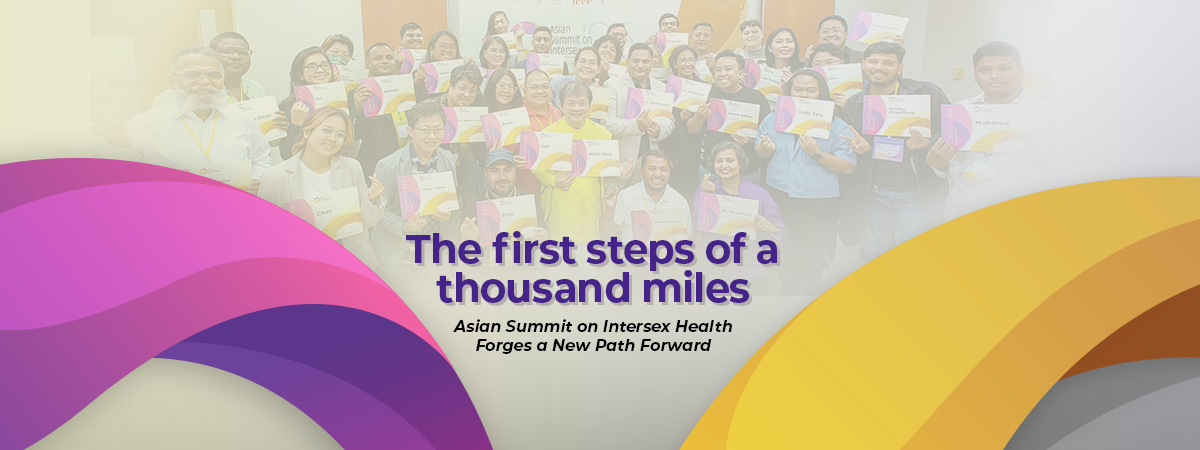
The First Asian Summit on Intersex Health, hosted by Intersex Asia in collaboration with OII Chinese and the Taiwan National Human Rights Commission, was more than just a meeting. Over two intensive days, the summit redefined how Asia approaches intersex lives. For the first time at a regional level, doctors specializing in obstetrics and gynecology, pediatrics, urology, endocrinology, nursing and surgery sat side-by-side with intersex human rights activists from nine Asian countries: The Philippines, India, Indonesia, Pakistan, Nepal, Vietnam, Bangladesh, Thailand and Taiwan. This was not merely a conference. It was the tangible embodiment of a principle that was neglected for such a long time: “There is nothing about us without us.”
From Monologue to Dialogue: Ending the One-Sided Conversation
The most significant change the summit brought was its foundational structure: a bilateral conversation. Instead of a monologue from both sides, it became a bilateral conversation. Activists and doctors were equal partners at the table, exploring medical difficulties while explaining and acknowledging the real-world consequences of previous interventions to intersex people. They spoke of the trauma of non-consensual surgeries, the stigma, and the silencing.
This conversation also received attention from Taiwan’s National Human Rights Commission, as we had the pleasure of having their representative deliver the opening speech and pledge support for the movement.
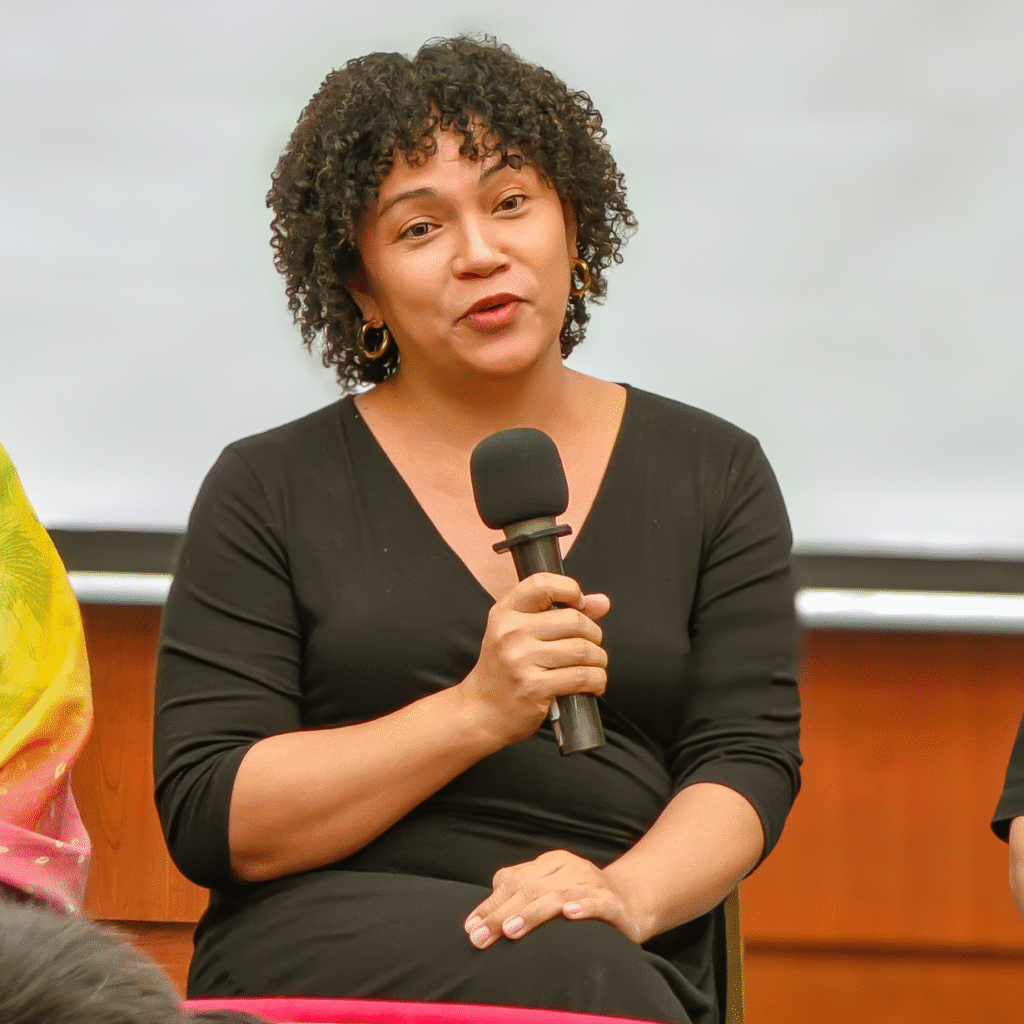
“Getting invited to be part of the First Asian Summit on Intersex Health was a big opportunity to help the cause of preventing Intersex rights violations in the healthcare setting. Being a physician from a field of specialization that first describes the sex characteristics of a fetus and a newborn, I have the responsibility to call upon the entire medical ciommunity to realize and recognize the variation in sex characteristics beyond the binary based on current evidence. From here onwards, we can assert that genital anatomic variations SHOULD NOT be modified to conform with the binary sex characteristics based solely on experts’ decisions, where some variations can even be left alone untouched. Past and present intersex lived experiences are necessary in conversations with medical experts in order to understand the preferences and possible quality of life of intersex individuals.” , Dr. Ame Lopez said.
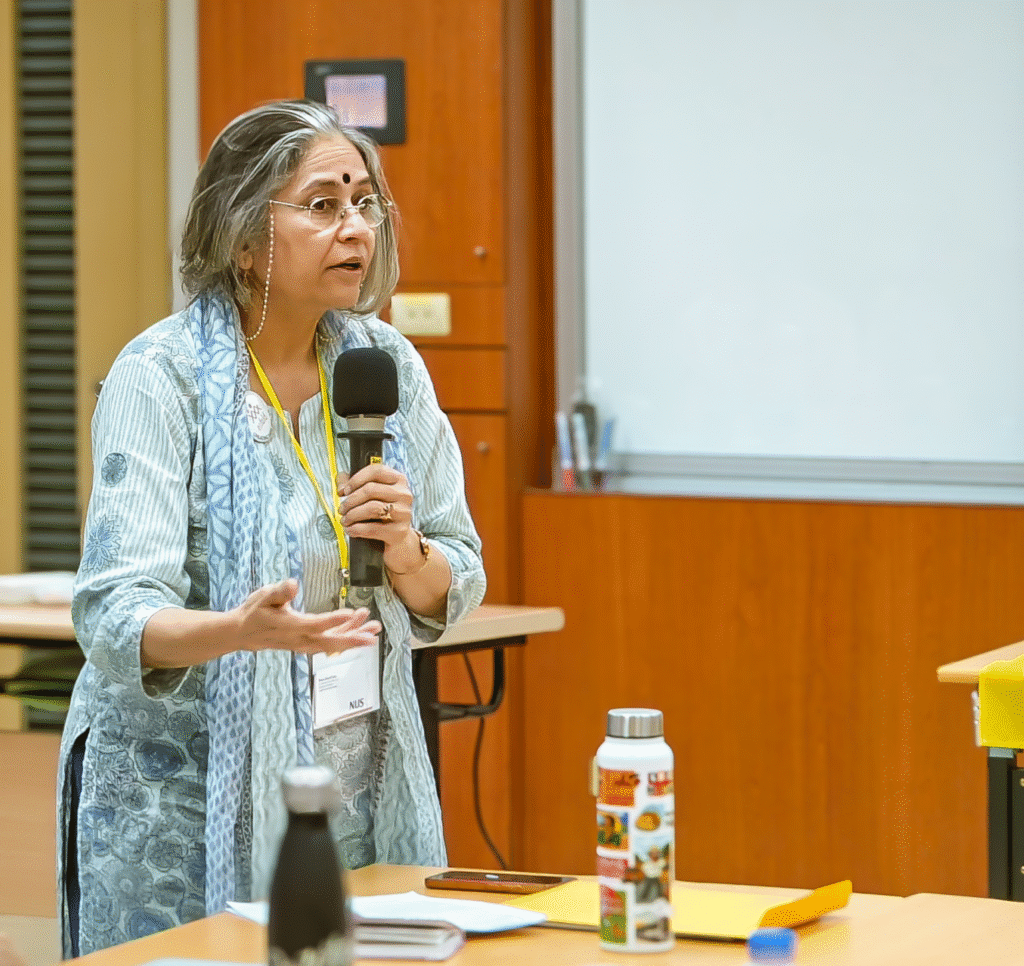
“It was an opportunity of a lifetime! Very educative and inclusive. There were perspectives from so many different countries and stakeholders. Besides that, we also worked on building a community of practice. Lets build an international network of people with intersex variations (the teachers) and the professionals involved in meeting their psychosocial, medical and legal needs so that the quality of care and well-being of Intersex people improves and professional guidelines are informed by lived experiences. “, Dr. Sangeeta Saxena shared after the Summit.
The Courage of the Grassroots: Lived Experience as the Baseline
The atmosphere became undeniably personal when grassroots intersex individuals took the stage. Traveling from across Asia, they made the brave decision to come out, many for the first time in a public setting, and share their stories directly with the very professionals who have traditionally held the power to define their bodies. Their stories and perspectives, often traumatic, were the critical data often missing from medical journals, which served as the essential baseline for any further discussion. To speak so vulnerably to an audience that included strangers and doctors required immense bravery. It was this raw, unfiltered truth that forged a new level of empathy and understanding among all attendees.
A powerful moment of transformation was captured in the words of one intersex participant, who shared, with visible emotion, that “this is the first time in many years that I have a conversation with doctors about my health and body without getting into a fight!” This single sentence perfectly summed up the summit’s success. It shifted the dynamic from a defensive battle to a collaborative problem-solving session, acknowledging that both medical expertise and lived experience are essential to a better, more comprehensive blueprint of intersex healthcare.
“I believe this summit was aware and careful in bringing voices that were not just Allies but people who saw intersex people as real people with lived experiences and not data points for extraction” – Momo
What’s next after the Summit?
This unique convergence of medicine and human rights not only produced meaningful conversations but also generated tangible outcomes. In another “first” for the region, the summit dedicated itself to drafting the first-ever Asian Consensus Statement (tentatively named the “Taiwan Statement”) on intersex rights and particularly the Community of Practices (COP).
“The session dedicated to drafting and reaching consensus on the joint statement was the most distinctive, lasting for almost the entire afternoon of the second day of the summit. The opinions presented were meticulously discussed from different standpoints, ranging from medical experts to policy and law, and most importantly, from intersex people participating in the summit themselves. Every single word in the statement was thoroughly analyzed, with some parts needing multiple revisions and extensive back-and-forth discussion, yet no one in the hall seemed bothered; they continued the discussion until the statement was truly complete and truly humane…”, said Dr. Foxie, from Vietnam.
While the Consensus Statement will be the guiding light for legal reform and medical practices, the Community of Practice (CoP) for Health Care Professionals and Intersex Activists is established as a collaborative platform aimed at fostering engagement, understanding, and action among health care providers and advocates for intersex individuals. This professional community aims to create a safe and inclusive environment where members can freely share knowledge, experiences, and best practices related to the health and rights of intersex people. Both the Consensus Statement and COP is expected to be officially released and formulated in early 2026.
The First Asian Summit on Intersex Health proved that progress is not just possible, but is already underway. As Hiker Chiu, the Executive Director of Intersex Asia, stated that this summit marks the beginning of establishing a solid foundation for advancing human rights perspectives and intersex-affirmative healthcare in Asia. By connecting the voices of the intersex community and the expertise from doctors in the region, it has planted a seed for a more just and compassionate future—a future where everybody is respected, and no one is spoken about without being heard.