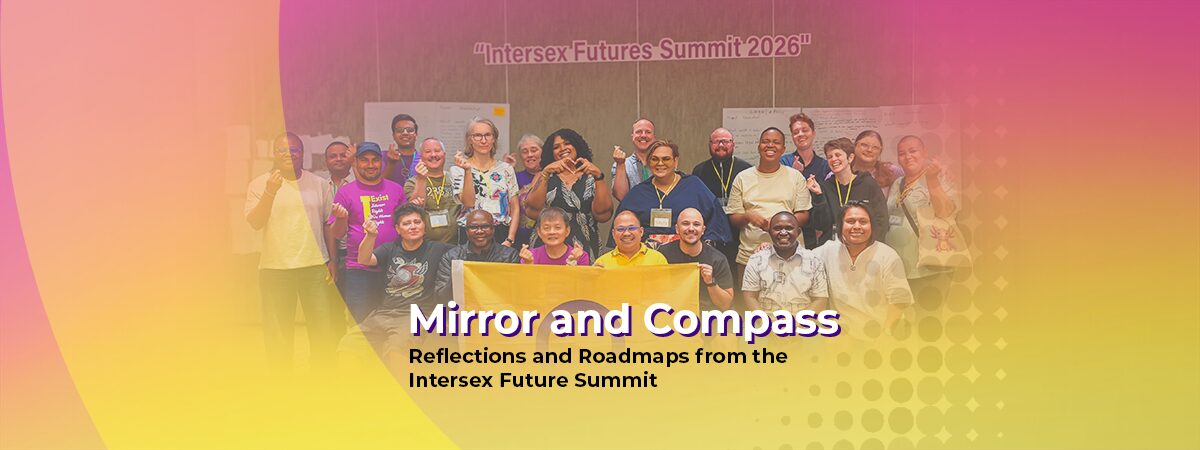

In the current age of changing political landscapes and complex human rights challenges, solidarity is the most critical and important tool. Hosted in the vibrant heart of Thailand from 28-30 May, 2026, the Intersex Future Summit brought together intersex activists from around the world to both reflect on the global movement while collectively planning toward a more inclusive future for intersex human rights globally.
A Collective Intersex Voice in a Complex World
One of the most resonant themes of the summit was the necessity of collective action. Currently, the geopolitical and social situation is getting more and more complex. And because of that, intersex advocates are facing more challenges, including fragmented legal protections, rising anti-rights rhetoric, and systemic medicalization. Historically, intersex activism has often operated in isolation due to limited resources, geographical barriers, and cultural stigmas. However, all activists at the summit emphasized a clear message: the movement cannot succeed in silos. This was reflected and agreed upon by all participants went through “the web” activities.
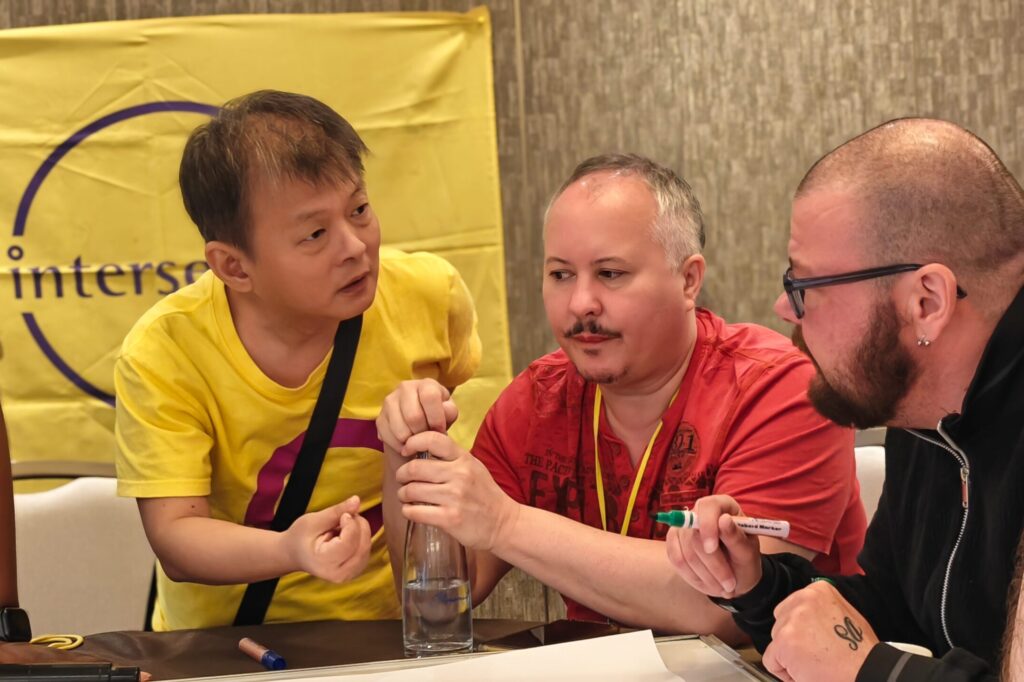
“Our struggles are interconnected. When we raise our voices together, we transform from isolated whispers into a stronger collective demand for dignity and bodily autonomy,” Hiker Chiu, Executive Director, Intersex Asia
By aligning regional movements, such as the intersex community in Asia, with global advocacy frameworks, activists can pool resources, share strategies, and present a united front to international stakeholders. This collective approach is essential for pushing back against the unstable political situation while securing legal recognition.
Mirror and Compass: Reflection and Planning
The summit was not simply a retrospective; it was a roundtable for strategic actions. The agenda covered critical areas necessary to sustain and grow the movement:
1. Navigating Local Situations
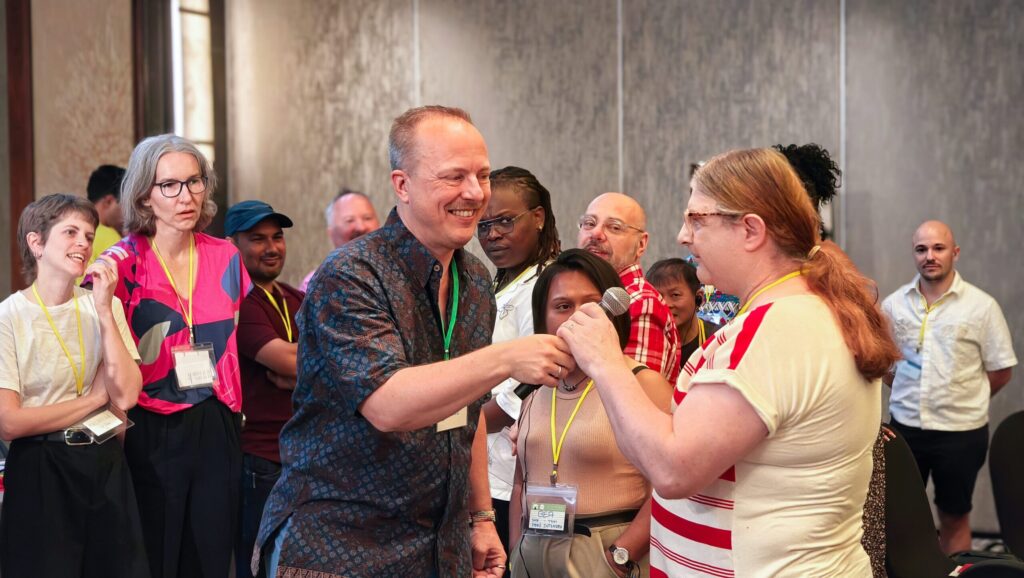
Activists shared updates on local situations, detailing both victories and setbacks, while listing out key needs of the intersex community in the country. In some countries, grassroots groups are making strides in raising intersex awareness and engaging local healthcare providers. In others, severe discrimination and lack of legal recognition continue to push intersex individuals to the margins. This activity aims to synthesize the situation and move from individual need to bigger movement actions.
2. Building global collaboration
A key discussion point was how to facilitate collaboration country to country, and region to region, both in awareness raising, health services, and legal advocacy.
3. Funding and Sustainability
Advocacy requires resources. The summit held dedicated sessions on funding strategies, examining how to shift from short-term project grants toward sustainable, flexible funding and greater autonomy. Building trust with international donors and establishing transparent financial structures were identified as key steps to support long-term regional campaigns.
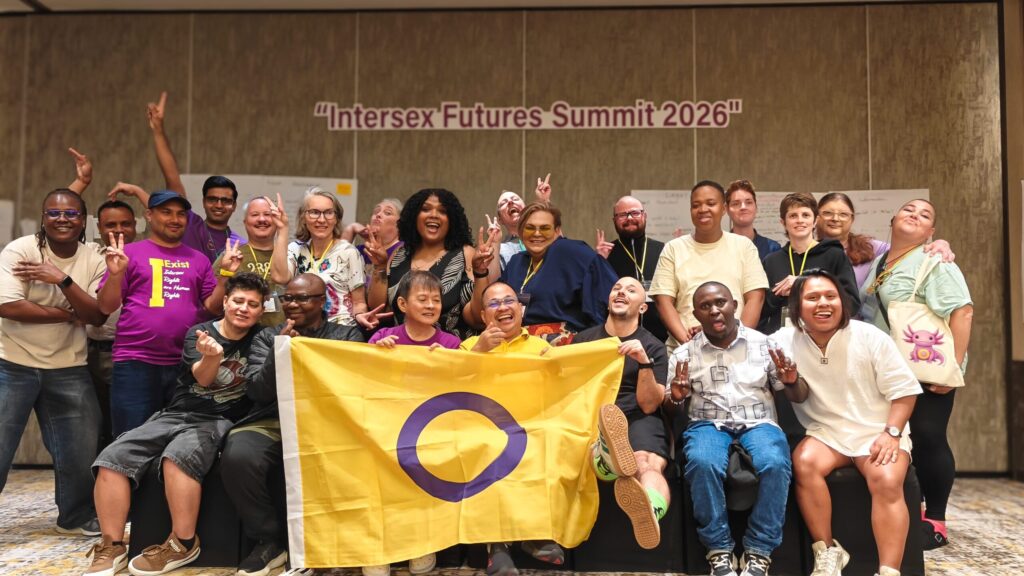
A Milestone of Visibility: Marching at Bangkok Pride
The summit ended on a high note. Delegates joined the colorful and energetic Bangkok Pride, carrying a massive intersex flag (the iconic yellow banner with a purple circle) through the streets of Bangkok. This march was an important moment of solidarity. As the flag moved through the crowds, allies from across the LGBTQI+ spectrum joined, holding the edges of the banner and walking alongside intersex activists.
This collective visibility is deeply meaningful. For decades, the specific needs and identities of intersex people have been overshadowed. Seeing thousands of people recognize our colors and cheer in support represents a cultural shift. It proves that the public is ready to learn, accept, and stand up for bodily autonomy for intersex people.
Learn more about Intersex Asia’s activities and 101 resources here.