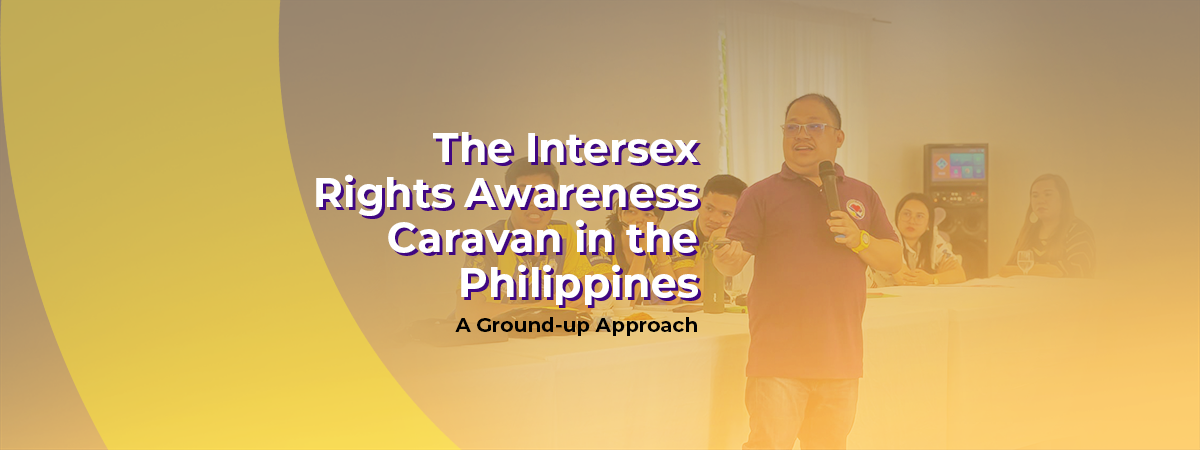

The “Intersex Rights Awareness Caravan” is a special project led by Intersex Asia and Intersex Philippines in the Philippines. For a long time, the intersex community here has felt invisible to the rest of society, which makes it challenging to reach them through conventional approaches. The Caravan exists to change that. It is a powerful local movement that embraces a different approach, giving intersex individuals a safe platform to share their stories, advocate for intersex human rights, and secure bodily autonomy for intersex people across the country.
The caravan has three simple goals:
- Help the public understand the intersex community and their rights.
- Give intersex individuals the tools and confidence to advocate for themselves.
- Build welcoming, long-lasting partnerships with local leaders and decision-makers.
A Fresh Movement Approach: Meeting Intersex People Where They Are
When we talk about human rights, traditional online campaigns or formal conferences don’t always reach everyone. Sometimes, they have a hard time overcoming deeply rooted intersex stigma in Asian culture. The Intersex Awareness Caravan uses a different approach. Instead of expecting people to find us online, we traveled directly to them, hence the name Caravan was decided.
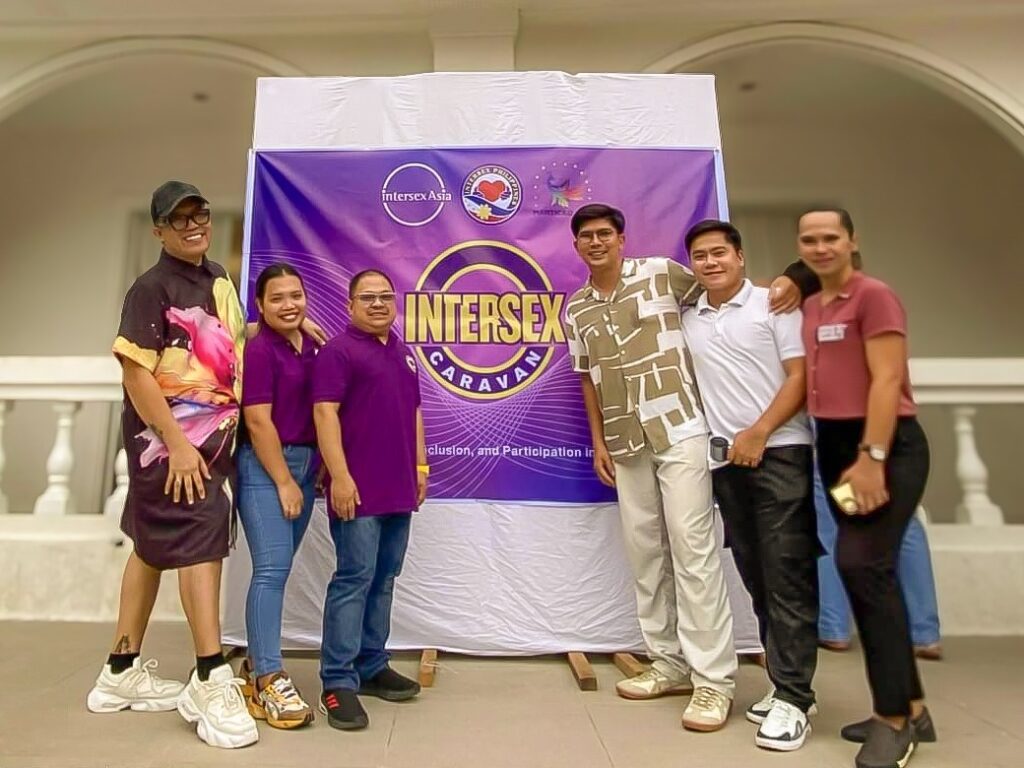
We hosted warm, interactive workshops in Misamis Oriental (October 9-10, 2025) and Quezon City (December 4-5, 2025). These local gatherings brought together 131 people, including doctors, teachers, local politicians, and police officers—groups who might normally never interact with the movement.
By choosing face-to-face conversations over digital messages, the Caravan created a safe space to ask real questions and learn. During group activities, participants explored what they thought they knew about male and female characteristics, making it easier to understand natural intersex variations. A favorite moment was the “Intersex 101” session led by Jeff Cagandahan, an intersex activist. By sharing his own life story, Jeff brought a human face to the challenges intersex individuals face every day. His open conversation cleared up common misunderstandings, moved people away from using medicalized labels, and encouraged respectful, identity-affirming language.
What We Achieved and Where The Intersex Movement Are Going Next
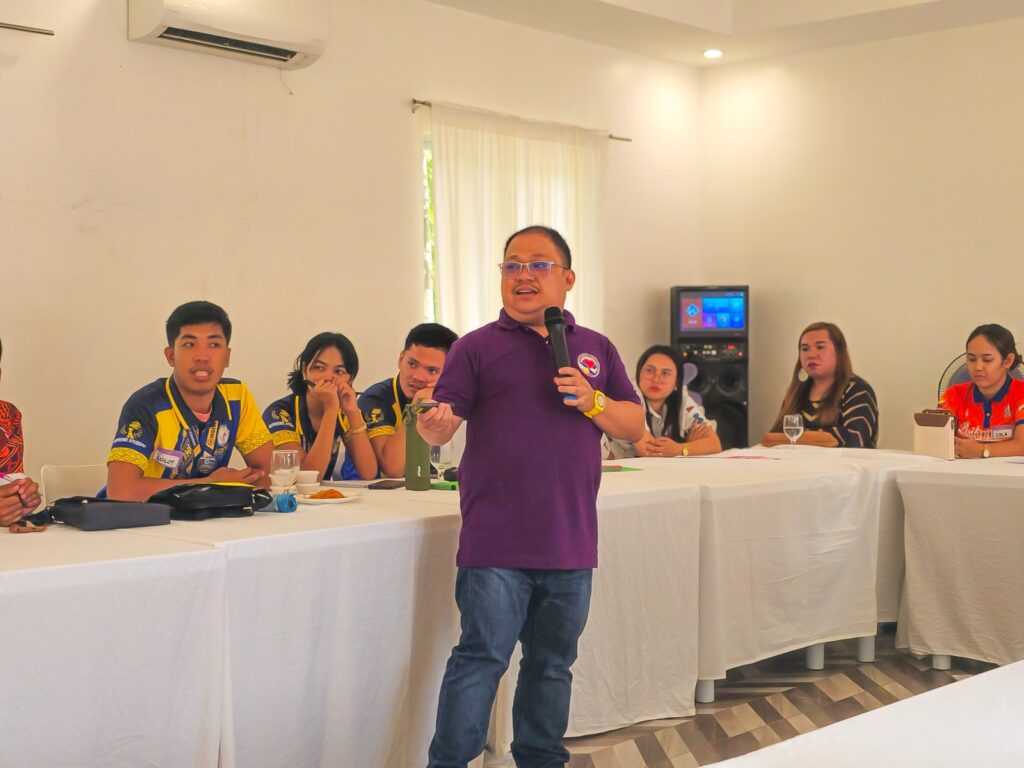
The Caravan was a huge success. People left the workshops with a much better, heartfelt understanding of the Asian intersex community and a shared desire to support it. The conversations built genuine connections between activists and local leaders, creating a strong network of everyday allies.
To make sure this progress continues long after the Caravan leaves town, our organizers visited the Quezon City Gender and Development (GAD) Office. This partnership is a fantastic step toward getting local governments to actively support equality and ongoing awareness programs.
Looking ahead, the Caravan’s journey is not finished: we want to come to even more communities and strengthen the partnerships we’ve just built. By continuing to share our stories, pushing for intersex legal recognition in the Philippines, and raising up local voices, we are planting the seeds for lasting change. Together, we can build a future where everyone—regardless of their intersex status—is truly valued, included, and free.