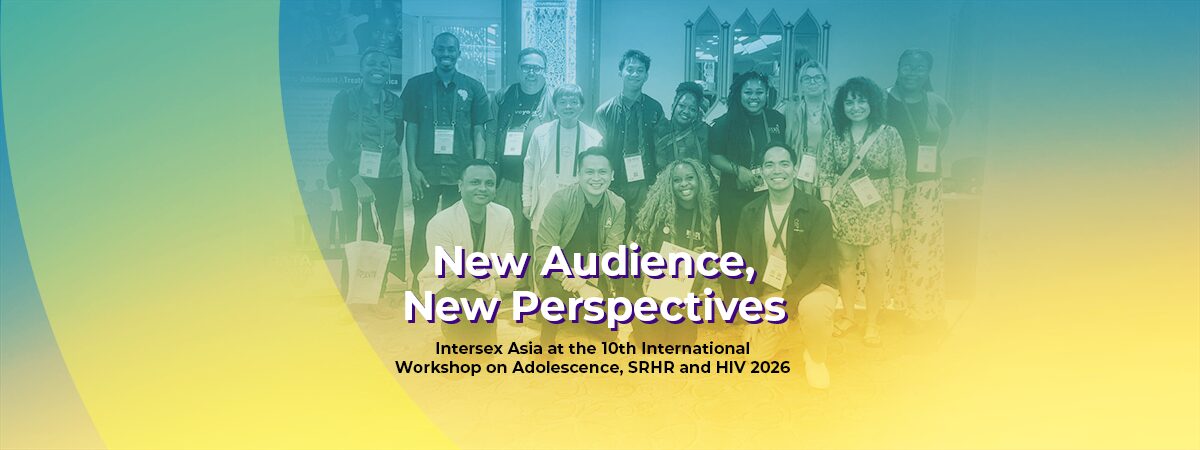

From 21 to 23 September 2026, the 10th International Workshop on Adolescence, SRHR and HIV 2026 brought together doctors, researchers, policymakers, and youth advocates in Bangkok, Thailand. While discussions focused on adolescent HIV prevention, treatment, and youth-friendly services, the presence of Intersex Asia marked an exciting first step: our first time joining a conference centered on adolescent sexual and reproductive health and rights (SRHR).
For a long time, intersex young people have been left out of these conversations. We went to Bangkok to change that, to show that every young person deserves control over their own body, and to make sure intersex youth are included in healthcare discussions.
1. The “Why”: Why Did Intersex Asia Enter the SRHR and HIV Space?
At first glance, an adolescent health and HIV event might seem separate from intersex advocacy. But in reality, sexual and reproductive health begins with bodily autonomy, which is exactly what Intersex Asia is advocating for. Our participation aimed to highlight three key points:
Bodily Autonomy is Part of SRHR:
Across Asia, many intersex infants and children still face unnecessary surgeries without their consent. These procedures can cause lifelong physical pain, emotional trauma, and infertility. Protecting young intersex people from forced medical interventions is an essential part of reproductive and sexual rights.
Overcoming Stigma in Healthcare:
Growing up is already challenging, but intersex youth often face judgment or misunderstanding from medical providers. Fear of discrimination keeps many young people from seeking basic sexual health services, including STI checks and HIV testing. Making healthcare spaces safe, affirming, and welcoming for everyone, including intersex is one of the key messages we delivered during this event.
Ending Invisibility in Health Data:
Intersex youth are rarely counted in national health surveys or adolescent health studies. When policies ignore our existence, they fail to meet our needs. We attended to make sure intersex adolescents are recognized in healthcare planning and research.
2. The “What”: Meaningful Engagement Through Shared Learning
We wanted our participation to be practical and constructive. We focused on three main activities during the workshop:
Sharing the Taipei Consensus Statement:
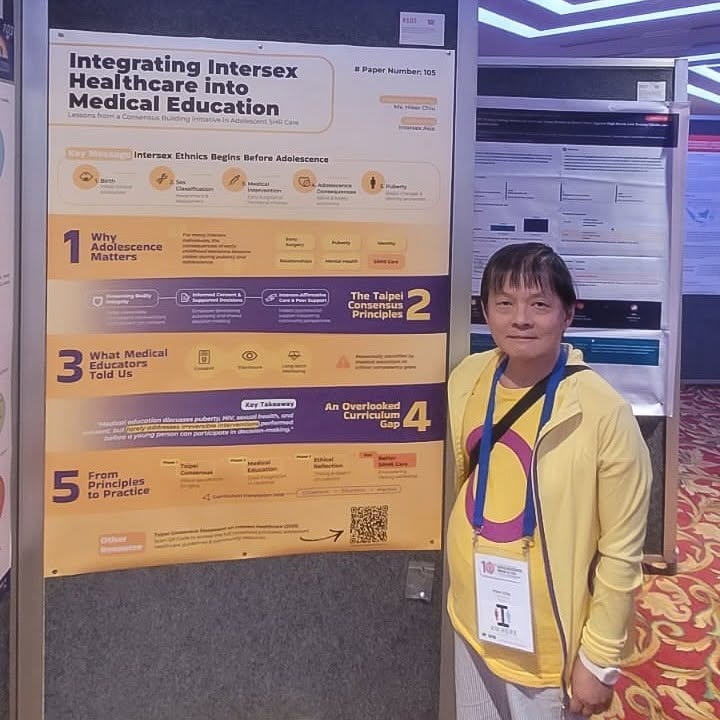
We presented a poster based on the Taipei Consensus Statement, a community statement created by intersex advocates across Asia. The statement calls for an end to harmful medical practices and promotes care based on dignity, consent, and respect.
Opening Honest Dialogues with Doctors and Nurses:
Many healthcare providers at the workshop shared that they had never received proper training on intersex health. Our presentation created a safe space and an entry point for discussing ethical medical care, patient consent, and why emotional and peer support matters more than unnecessary surgeries.
Building Friendships with Youth Groups:
We connected with youth-led organizations and grassroots advocates from Southeast Asia and Africa. Sharing our stories showed that we face similar challenges in accessing fair healthcare and that we are much stronger when we support one another.
3. The “How”: Our Priorities Moving Forward
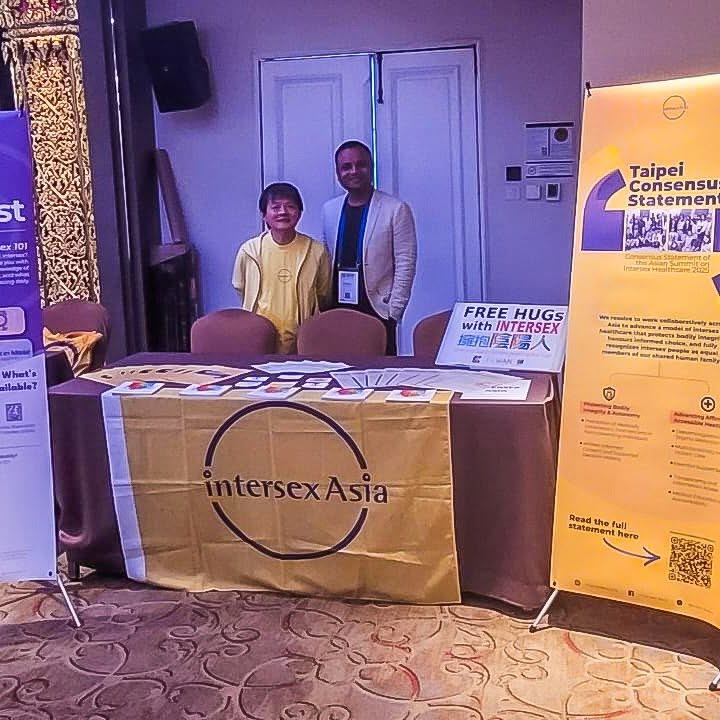
With newfound clarity, we are committed to transforming visibility into lasting understanding and connections. Our strategic priorities include:
- Consistent Engagement: We will continue to participate in relevant conferences to amplify awareness of intersex issues and integrate our perspectives into SRHR discussions.
- Regional Connectivity: Building Intersex Asia’s capacity to serve as a crucial resource for researchers, organizations, and healthcare providers seeking intersex knowledge and support.
- Promoting Intersex-Led Research: We prioritize incorporating intersex adolescent SRHR into future research initiatives and budgets, fostering community engagement to better understand the varied experiences of young intersex individuals.
- Maximizing Opportunities: We aim to enhance our conference preparation, develop robust educational materials, and implement effective follow-ups to ensure that initial conversations evolve into fruitful relationships and resources.
We arrived at the workshop eager to introduce intersex issues and departed with new partnerships, sharper inquiries, and a more profound understanding of Intersex Asia’s potential contributions. Our next step is to build on this momentum, ensuring that intersex voices remain at the center as we navigate the broader SRHR landscape with confidence and purpose.