
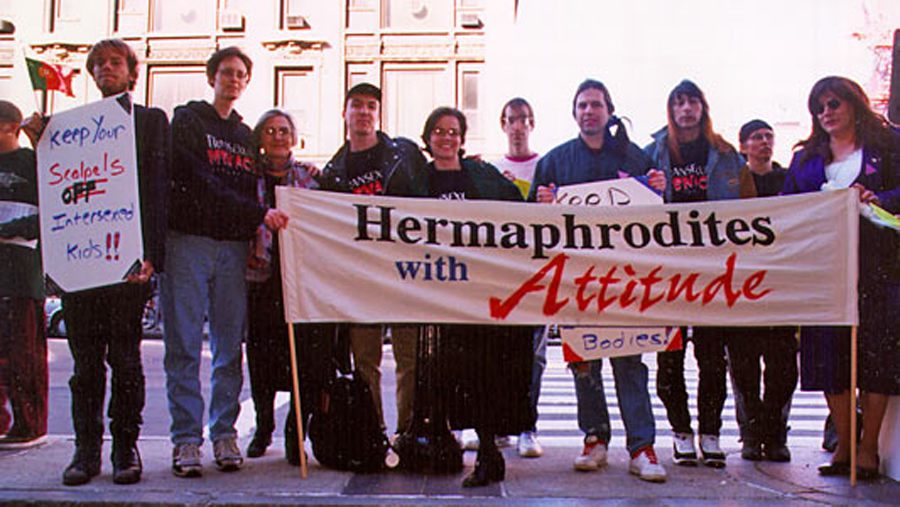
On October 26, 1996, a small group of demonstrators stood outside the annual conference of the American Academy of Pediatrics in Boston. They were members of the now-defunct Intersex Society of North America and their allies, and they had come to denounce non-consensual infant genital surgeries and demand that the medical industry take notice.
Nobody inside the conference changed their practice that day. But the date stuck. October 26 is now observed worldwide as Intersex Awareness Day, and 2026 marks thirty years since that first public act of refusal.
Thirty years is long enough to ask the honest questions: What did this movement actually achieve? What did it cost? And what should everyone who cares about bodily autonomy learn from it?
The journey, in seven milestones
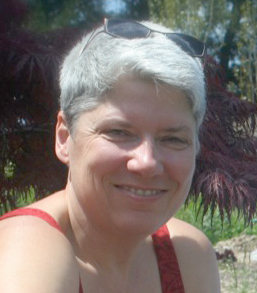
Cheryl Chase, an intersex woman who had been subjected to surgery as an infant and lied to about it for decades, via a letter to the editor published in The Science, she founded the now defunct Intersex Society of North America – the first organisation devoted to ending what it called “shame, secrecy, and unwanted genital surgeries.” The founding insight was radical in its simplicity: the problem was not intersex bodies. The problem was a medical system that treated difference as an emergency.
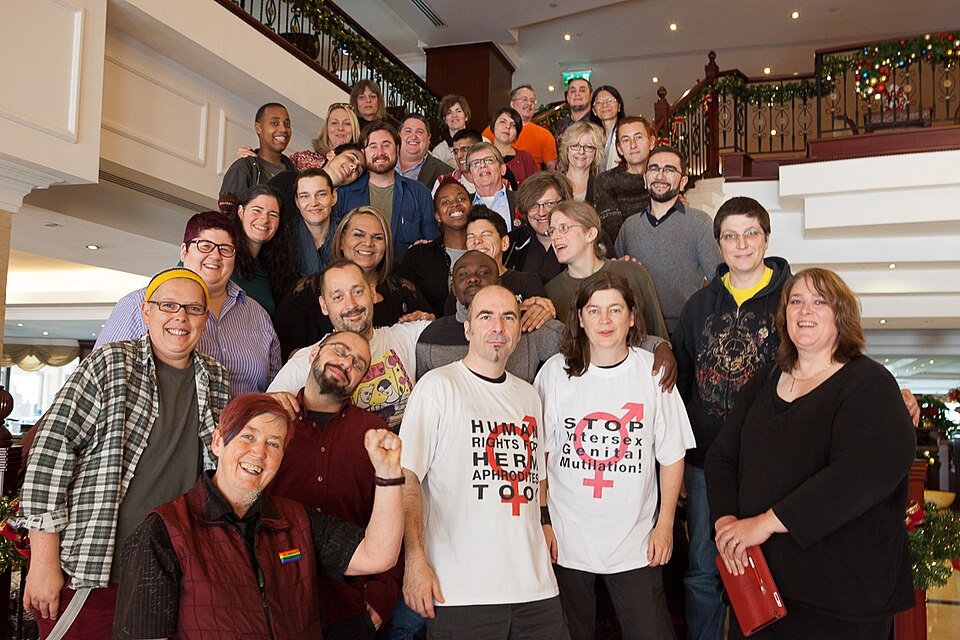
The movement stopped being an American story. Curtis E. Hinkle founded Organisation Intersex International (OII) in 2003, building a network that would span every continent. In 2006, the youth programme that became interACT: Advocates for Intersex Youth put young intersex people themselves — not parents, not doctors — at the centre of advocacy. And on Human Rights Day 2012, meeting in Stockholm, activists from across the continent founded OII Europe. Regional networks followed in Asia, Africa, Latin America, and the Pacific. The movement’s centre of gravity began to shift south.
A Mediterranean island of half a million people did what no large democracy had managed: the GIGESC Act made Malta the first country on earth to legally protect intersex children’s bodily integrity, prohibiting non-consensual, non-medically necessary modifications of sex characteristics. The lesson was clear: change did not require a superpower. It required a movement with a clear demand and a parliament willing to listen.
Two documents made 2017 a critical year. In March, intersex organisations from Australia and Aotearoa New Zealand issued the Darlington Statement, a consensus platform with the core demand: “the immediate prohibition as a criminal act of deferrable medical interventions, including surgical and hormonal interventions, on people with intersex variations without personal consent.” In July, Human Rights Watch and interACT published “I Want to Be Like Nature Made Me”– a landmark report documenting, in the medical system’s own records, that medically unnecessary surgeries on intersex children remained routine in the United States. Community testimony and mainstream human rights evidence now say the same thing.
On April 4, 2024, the UN Human Rights Council adopted Resolution 55/14 — the first UN resolution dedicated to intersex persons. It called on states to combat discrimination, violence, and harmful practices, and it commissioned the High Commissioner’s 2025 report (A/HRC/60/50) documenting violations and state obligations worldwide. Twenty-eight years after Boston, the demand shouted outside a medical conference was printed in the official record of the world’s human rights body.
Late 2025, Kenya made history by revising the Births and Deaths Registration Act (via Legal Notice 153 of 2025)to include intersex as an official sex marker alongside male and female on birth notifications and record. At the same time, Intersex Asia organized the 1st Asian Summit on Intersex Health in Taiwan, and together with activists, medical experts and policy makers in the region, we released the Taipei Consensus Statement on Intersex Health in Asia, aiming to “work collaboratively across Asia to advance a model of intersex healthcare that protects bodily integrity, honours informed choice, and fully recognizes intersex people as equal members of our shared human family.”
What the movement got right and what’s yet to be done?
Throughout the last 30 years of advocacy, the intersex community worldwide has made many achievements, yet there’s still much to be done, due to several reasons, including the constantly changing political landscape around the world. Knowing what we got right, and what’s not pave way to the future continuation of the movement as a whole.
What we got right
It changed the subject. The single greatest achievement of thirty years is a reframing: intersex people are rights-holders, not patients. A conversation that once belonged exclusively to endocrinologists and surgeons now belongs, at least in international law, to human rights institutions.
It kept the demand simple. “No irreversible interventions on children too young to consent, unless medically necessary.” Thirty years of shifting terminology, medical pushback, and political headwinds — and the core demand never blurred. Movements with more money and more staff have achieved less with murkier asks.
What’s yet to be done
The surgeries continue. Despite Malta, despite Darlington, despite a UN resolution, non-consensual interventions on intersex children remain lawful and practised in most of the world, including countries with strong human rights records. The gap between international recognition and local adoption is still wide.
The movement is small, tired, and underfunded. Intersex-led organisations run on fractions of the budgets available to other causes. Furthermore, the Global South, despite growth, remains under-resourced. funding, legal recognition, and research remain overwhelmingly concentrated in Europe, North America, and Australasia
Inclusion has often been performative. The “I” was added to acronyms long before it was added to budgets, programmes, or data. Too many LGBTI+ organisations still cannot name a single intersex-led group they fund or a single intersex person they work with. Being counted in a logo is not being counted in.
The next thirty years
The movement’s founders are now elders, its youth leaders are becoming the establishment, and the UN’s official record finally echoes what they’ve been saying since 1993. What lies ahead is the most important work yet: turning international recognition into real-world protection, changing legal bans into everyday practice, and building a world where every child born with variations in sex characteristics is welcomed not with medical intervention, but with simple words: healthy, whole, and yours.
That is the journey October 26 commemorates. Thirty years of it happened while almost nobody was watching. Now is the time to shine a light on this vital narrative and engage with the ongoing fight for inclusion and dignity. Watch now.